Sale
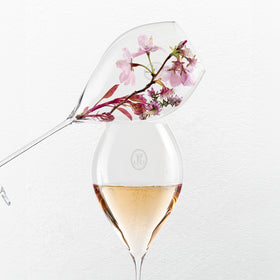
Piper-Heidsieck Brut Champagne NV (Gift Boxed)
A fresh and harmonious take on classic Champagne style. Piper-Heidsieck Brut Champagne NV is a fruit-forward expression shaped by Chardonnay, Pinot...
View full details
Sale
A fresh and harmonious take on classic Champagne style. Piper-Heidsieck Brut Champagne NV is a fruit-forward expression shaped by Chardonnay, Pinot...
View full details
Sale
An elevated take on a classic single malt, presented in a striking collector’s gift box. The Glenfiddich 18 Year Old is one of the most celebrated ...
View full details
Sale
Product Description:Elegance, freshness and harmony define this benchmark non-vintage Champagne. Perrier-Jouët Grand Brut is a finely balanced cuvé...
View full details
Sold out
Product Description:Coastal purity meets deliberate power in this cask strength single malt. Octomore 16.1 channels Bruichladdich’s mainland Concer...
View full details
Sale
Product Description:Barley character and high peat meet restrained cask influence in this Islay single malt. Octomore 16.3 is built from 100% Conce...
View full detailsREVIEWS + ACCOLADES
97 Points
Such a deep and meaty nose with a slew of wild-herb, savoury and subtle balsamic notes. The palate is very concentrated, which reveals so many spicy nuances as it rolls over the palate, the powdery fine tannins pushing the finish out even further.
Coming from with old vine (20-60 years), the plants are low-yielding, with their deep roots are less likely to suffer from hydric stress, even during a dry vintage like 2020. As a result the fruit remains buoyant, balanced, and with ripe with olive, garrigue, and velvety black cherry. Tannins are softer than they were in 2019, but this vintage is nonetheless bold and ready to age for as long as you’re happy to cellar it.
Such a deep and meaty nose with a slew of wild-herb, savoury and subtle balsamic notes. The palate is very concentrated, which reveals so many spicy nuances as it rolls over the palate, the powdery fine tannins pushing the finish out even further.
Coming from with old vine (20-60 years), the plants are low-yielding, with their deep roots are less likely to suffer from hydric stress, even during a dry vintage like 2020. As a result the fruit remains buoyant, balanced, and with ripe with olive, garrigue, and velvety black cherry. Tannins are softer than they were in 2019, but this vintage is nonetheless bold and ready to age for as long as you’re happy to cellar it.
This amazing Chateauneuf-du-Pape squares the circle of southern richness and spring-like freshness in spite of coming from a very warm and dry vintage. The stony minerality, saltiness and dried flower character wind together to form a dynamic whole, driving this gracefully across the palate. But I must also mention the savory and licorice richness that is so deftly wrapped around them. Very long, salty and velvety finish. Drink or hold.
The 2020 Châteauneuf Du Pape also showed well, with a lighter, elegant style that still brings plenty of intensity. Black cherries, mulberries, dried violets, and loamy earth define the bouquet, and it’s medium-bodied, balanced, and finesse-driven on the palate, with ripe tannins as well as a terrific sense of salinity on the finish. Give bottles 3-4 years and enjoy over the following 15+.
One of the Rhône's great estates, Vieux Telegraphe is run by Frédéric and Daniel Brunier, the great-grandsons of founder, Hippolyte Brunier. The domaine occupies some 70 hectares on the stony plateau of Le Crau in the east of the Châteauneuf du- Pape appellation. The wines of Vieux Telegraphe are true classics - robust and earthy with strong personalities and a great track record of longevity in the cellar.
It was Henri Brunier who penned the first chapter of this wonderful family story in 1891, in the village of Bédarrides, well known today as occupying the southeastern portion of the Châteauneuf-du-Pape AOC area. In that year, he gifted to his son Hippolyte some plots of land on La Crau, a place in those days considered practically unfit for cultivation, its soil a thankless proposition due to a high density of pebbles.
The latter planted his first vine stocks on this commanding plateau, where grapes had first been grown in the 14th century; and where, in 1821, Claude Chappe, inventor of the optical telegraph, built one of his signal towers. Hippolyte’s son, Jules, extended the estate to 42 acres and aptly named the fruits of his labours “Vieux Télégraphe”. Frédéric and Daniel Brunier, the fifth generation and Nicolas and Edouard Brunier, the sixth generation
At the end of the Second World War, Henri, the second thus named and the fourth generation, had the formidable task of reviving the estate and shaping its destiny. Not content with enlarging the Domaine to a single expanse of 136 acres, he gave this classic Châteauneuf-du-Pape wine its full dimension, creating a “Vieux Télégraphe” style and positioning it on all the world’s leading markets.
In 2015 and 2016, Nicolas, son of Frédéric, and Édouard, son of Daniel, entered the history of Vieux Télégraphe, fully integrating the company in key positions. Manon, daughter of Frédéric, joined them in 2018.
Located on the stony Plateau de la Crau, in the south-east of the Châteauneuf-Du-Pape appellation, where the villages of Bédarrides, Châteauneuf-du-Pape and Courthézon meet. The unique soil and subsoil are made of molasse from the Miocene epoch (1-1.5m in depth) sitting on a thick layer of clay with high stone content. All of which is covered by the pebble blanket of Alpine diluvium generally known as “galets roulés” the distinctive round river rocks. Taking up 123.5 acres, they grow 65% Grenache Noir, 15% Mourvèdre, 15% Syrah, Cinsault, Clairette and others make up the remaining 5%.
Whether their team of vignerons are labouring on the hot Plateau of La Crau, in the lieux-dits of Pignan, La Roquète and Piedlong, or on the cold steep slopes in the district of Les Pallières, they are driven all year round by the conviction that the grapes should be able to thrive and be picked in the best possible conditions. Fine fruit is essential for a fine vintage. To achieve this, they are quick to tailor each task to each parcel of vines: for instance, pruning, the spreading of organic manure and traditional ploughing are winter chores that may seem straightforward at first glance, but in fact demand great care. In springtime and summer, the same applies for the debudding, done by hand, and the removal of surplus unripe grapes and surplus leaves; balance is everything, and practically each vine enjoys its own care.
The Plateau of La Crau viens are 70 years old on average. For red wine vinification they start with hand-picked grapes, with double sorting at the vine, sorting a third time in the winery. Gentle pressing and selective destemming, is followed by 30-40 days’ traditional fermentation in temperature–controlled stainless-steel and wooden vats. Pneumatic pressing, followed by systematic malolactic fermentation. The last stage is maturation, 20-22 months in French oak foudres (60hl). Bottled unfined and unfiltered, then released at 2 years. These are classic red Châteauneuf-du-Pape, fine and elegant. The best vintages will age for 25 years and more.
Spring-like freshness in spite of coming from a very warm and dry vintage. The stony minerality, saltiness and dried flower character.
The stony minerality, saltiness and dried flower character wind together to form a dynamic whole, driving this gracefully across the palate.
Fine tannins as well as a terrific sense of salinity on the finish.
Product Information:
Such a deep and meaty nose with a slew of wild-herb, savoury and subtle balsamic notes. The palate is very concentrated, which reveals so many spicy nuances as it rolls over the palate, the powdery fine tannins pushing the finish out even further.
Coming from with old vine (20-60 years), the plants are low-yielding, with their deep roots are less likely to suffer from hydric stress, even during a dry vintage like 2020. As a result the fruit remains buoyant, balanced, and with ripe with olive, garrigue, and velvety black cherry. Tannins are softer than they were in 2019, but this vintage is nonetheless bold and ready to age for as long as you’re happy to cellar it.
Maker:
One of the Rhône's great estates, Vieux Telegraphe is run by Frédéric and Daniel Brunier, the great-grandsons of founder, Hippolyte Brunier. The domaine occupies some 70 hectares on the stony plateau of Le Crau in the east of the Châteauneufdu- Pape appellation. The wines of Vieux Telegraphe are true classics - robust and earthy with strong personalities and a great track record of longevity in the cellar.
It was Henri Brunier who penned the first chapter of this wonderful family story in 1891, in the village of Bédarrides, well known today as occupying the southeastern portion of the Châteauneuf-du-Pape AOC area. In that year, he gifted to his son Hippolyte some plots of land on La Crau, a place in those days considered practically unfit for cultivation, its soil a thankless proposition due to a high density of pebbles.
The latter planted his first vine stocks on this commanding plateau, where grapes had first been grown in the 14th century; and where, in 1821, Claude Chappe, inventor of the optical telegraph, built one of his signal towers. Hippolyte’s son, Jules, extended the estate to 42 acres and aptly named the fruits of his labours “Vieux Télégraphe”. Frédéric and Daniel Brunier, the fifth generation and Nicolas and Edouard Brunier, the sixth generation
At the end of the Second World War, Henri, the second thus named and the fourth generation, had the formidable task of reviving the estate and shaping its destiny. Not content with enlarging the Domaine to a single expanse of 136 acres, he gave this classic Châteauneuf-du-Pape wine its full dimension, creating a “Vieux Télégraphe” style and positioning it on all the world’s leading markets.
In 2015 and 2016, Nicolas, son of Frédéric, and Édouard, son of Daniel, entered the history of Vieux Télégraphe, fully integrating the company in key positions. Manon, daughter of Frédéric, joined them in 2018…
Philosophy:
Located on the stony Plateau de la Crau, in the south-east of the Châteauneuf-Du-Pape appellation, where the villages of Bédarrides, Châteauneuf-du-Pape and Courthézon meet. The unique soil and subsoil are made of molasse from the Miocene epoch (1-1.5m in depth) sitting on a thick layer of clay with high stone content. All of which is covered by the pebble blanket of Alpine diluvium generally known as “galets roulés” the distinctive round river rocks. Taking up 123.5 acres, they grow 65% Grenache Noir, 15% Mourvèdre, 15% Syrah, Cinsault, Clairette and others make up the remaining 5%.
Whether their team of vignerons are labouring on the hot Plateau of La Crau, in the lieux-dits of Pignan, La Roquète and Piedlong, or on the cold steep slopes in the district of Les Pallières, they are driven all year round by the conviction that the grapes should be able to thrive and be picked in the best possible conditions. Fine fruit is essential for a fine vintage. To achieve this, they are quick to tailor each task to each parcel of vines: for instance, pruning, the spreading of organic manure and traditional ploughing are winter chores that may seem straightforward at first glance, but in fact demand great care. In springtime and summer, the same applies for the debudding, done by hand, and the removal of surplus unripe grapes and surplus leaves; balance is everything, and practically each vine enjoys its own care.
The Plateau of La Crau viens are 70 years old on average. For red wine vinification they start with hand-picked grapes, with double sorting at the vine, sorting a third time in the winery. Gentle pressing and selective destemming, is followed by 30-40 days’ traditional fermentation in temperature–controlled stainless-steel and wooden vats. Pneumatic pressing, followed by systematic malolactic fermentation. The last stage is maturation, 20-22 months in French oak foudres (60hl). Bottled unfined and unfiltered, then released at 2 years. These are classic red Châteauneuf-du-Pape, fine and elegant. The best vintages will age for 25 years and more
Nose - Dried Violets, Loamy Earth, Mulberries & BalsamicThe Finer Details
Style - Red Wine
Varietal - Grenache Noir, Mourvèdre, Syrah, Cinsault, Clairette
Country - France
Region - Châteauneuf-du-Pape
Vintage - 2020
Bottle Size - 1.5L
ABV - 15%